Do You Savour What You Consume?
“Art and love are the same thing: It’s the process of seeing yourself in
things that are not you”By Ania Tsu
They say art is in the eye of the beholder, but perhaps a more accurate phrase would be that art’s enjoyment is in the perception of the beholder. Can the eye of the beholder ever truly see the depth of the experience the artist has shared? Much like the creative process in any art form, the enjoyment of art involves a deep, personal engagement that transcends the surface.
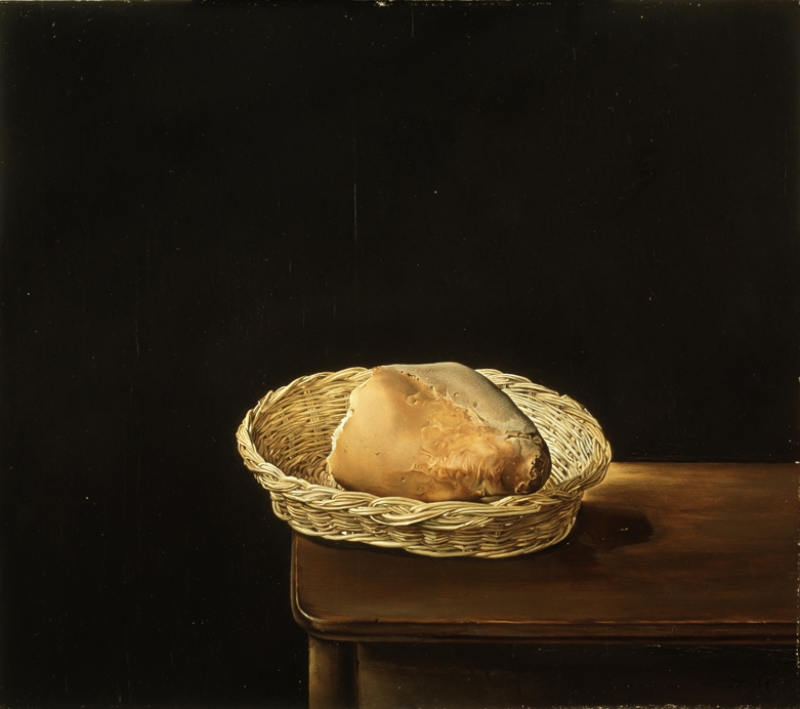
Salvador Dali, “Basket of Bread”, 1945. Dalí Theatre and Museum
Unlike actors who build characters from the fragments of their inner souls and create thousands of personas over time, artists are not accused of being the mad characters they portray. This multiplicity underlines the complex interplay between creator and creation, much like the nuanced layers of flavour in a well-crafted dish.
If you are an artist, you expose yourself daily to a good portion of art and partake in creating it. One day, you might touch the sky ceiling like an armed siren of huge format; the next, you might steam your vegetables while facing an incomplete list of tasks. Even in these mundane routines, your thoughts participate in creation—they are born and transformed, and the extended dialogues swim through your mind while the al dente vegetables nurture your body and soul.
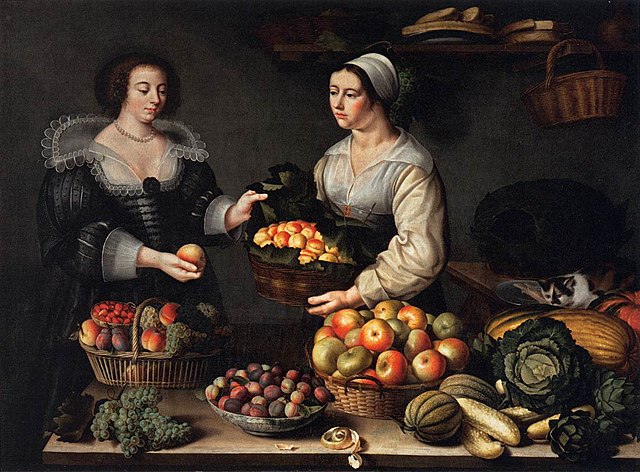
Louise Moillon, “The Fruit and Vegetable Seller”, 1630. Musée du Louvre, Paris
“He who distinguishes the true savour of his food can never be a glutton; he who does not cannot be otherwise”, wrote Henry David Thoreau.
Just as with the appreciation required to truly enjoy food, savouring art means experiencing it fully, recognising the flavours, textures, and effort that went into its preparation. A mindful approach to eating elevates the act of consuming food into a gesture of self-love and an art form, where each bite is a brushstroke on the canvas of our taste buds. Savouring art similarly elevates our souls, distinguishing us from the masses of couch potatoes.
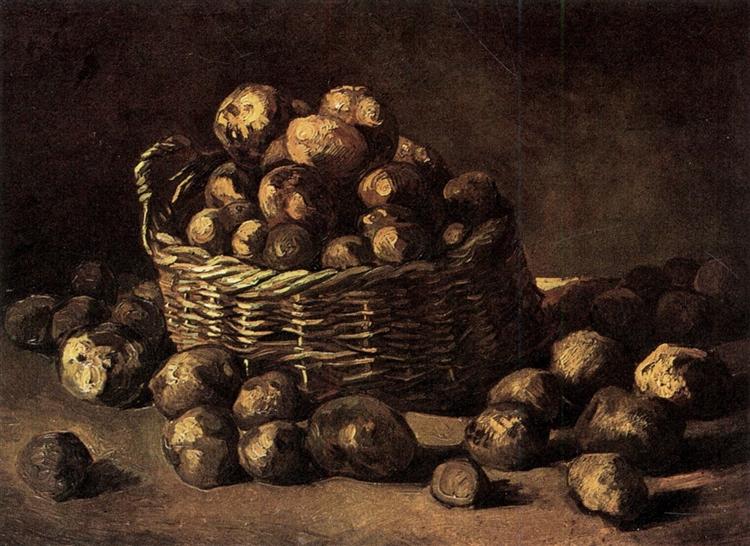
Vincent van Gogh, “Basket of Potatoes”, 1885. Van Gogh Museum, Amsterdam
“Art and love are the same thing; It’s the process of seeing yourself in things that are not you”, Chuck Klosterman asserts.
When we connect deeply with a meal, it often resonates with something within us—our memories, heritage, or personal tastes. Just as art allows us to see parts of ourselves reflected in a painting, piece of music, or poem, food evokes personal and cultural identity. A cherished family recipe, a dish from our childhood, or a meal prepared with love can make us feel seen and understood.
The convergence of art and cuisine is evident in the meticulous presentation of dishes, the thoughtful combination of ingredients, and the storytelling that accompanies a well-prepared meal. Just as a painting or sculpture invites viewers to explore and interpret, a beautifully arranged plate of food invites diners to savour and appreciate each element. The visual appeal of a dish, much like a work of art, is designed to captivate and intrigue, promising an experience that goes beyond mere sustenance.
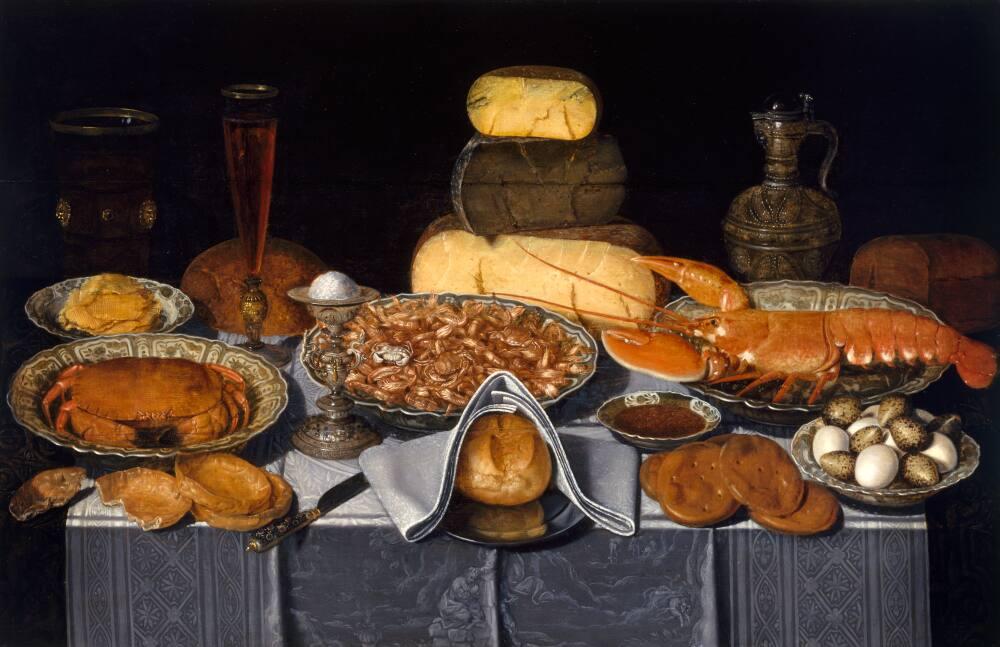
Clara Peeters, “Still Life with Crab, Shrimp and Lobster”, 1640. The Museum of Fine Arts, Houston
In our fast-paced world, taking the time to enjoy food or art remains a challenge but can be a grounding and enriching practice. Just as art is better enjoyed in galleries and museums, food can be a communal experience. When sharing meals with loved ones or engaging in face-to-face conversations, we celebrate the connections.
The enjoyment of food and art in any form shares a profound connection that enriches our lives. By approaching daily experiences with the same reverence and creativity we apply to art, we can transform every day into extraordinary experiences that nourish our bodies and souls. So, the next time you sit down to your meal or listen to or watch some kind of art, sit with another person in the safety of your abode, en plain air or in a restaurant, pause for a moment and appreciate the artistry brought to your life.
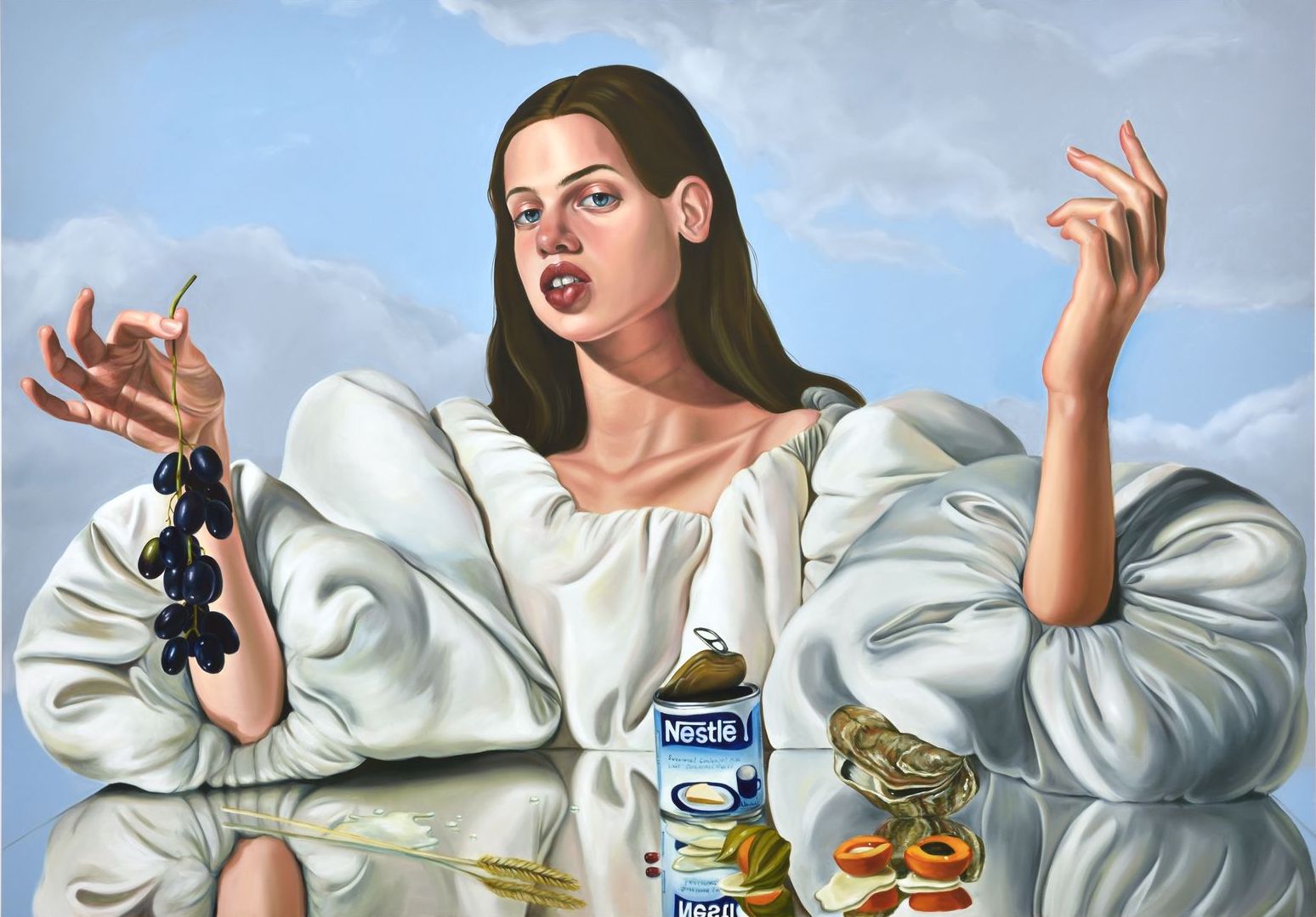
Chloe Wise, “Lactose Tolerance”, 2017