Art Fairs vs. Auctions: Where Does the Art Market Stand?
The art world is a vibrant ecosystem where creativity meets commerce, and two key players dominate this space: art fairs and auctions. Both offer unique experiences and are essential platforms for artists, collectors, and investors. But what sets them apart and how do they shape the art market today?
The Charm of Art Fairs
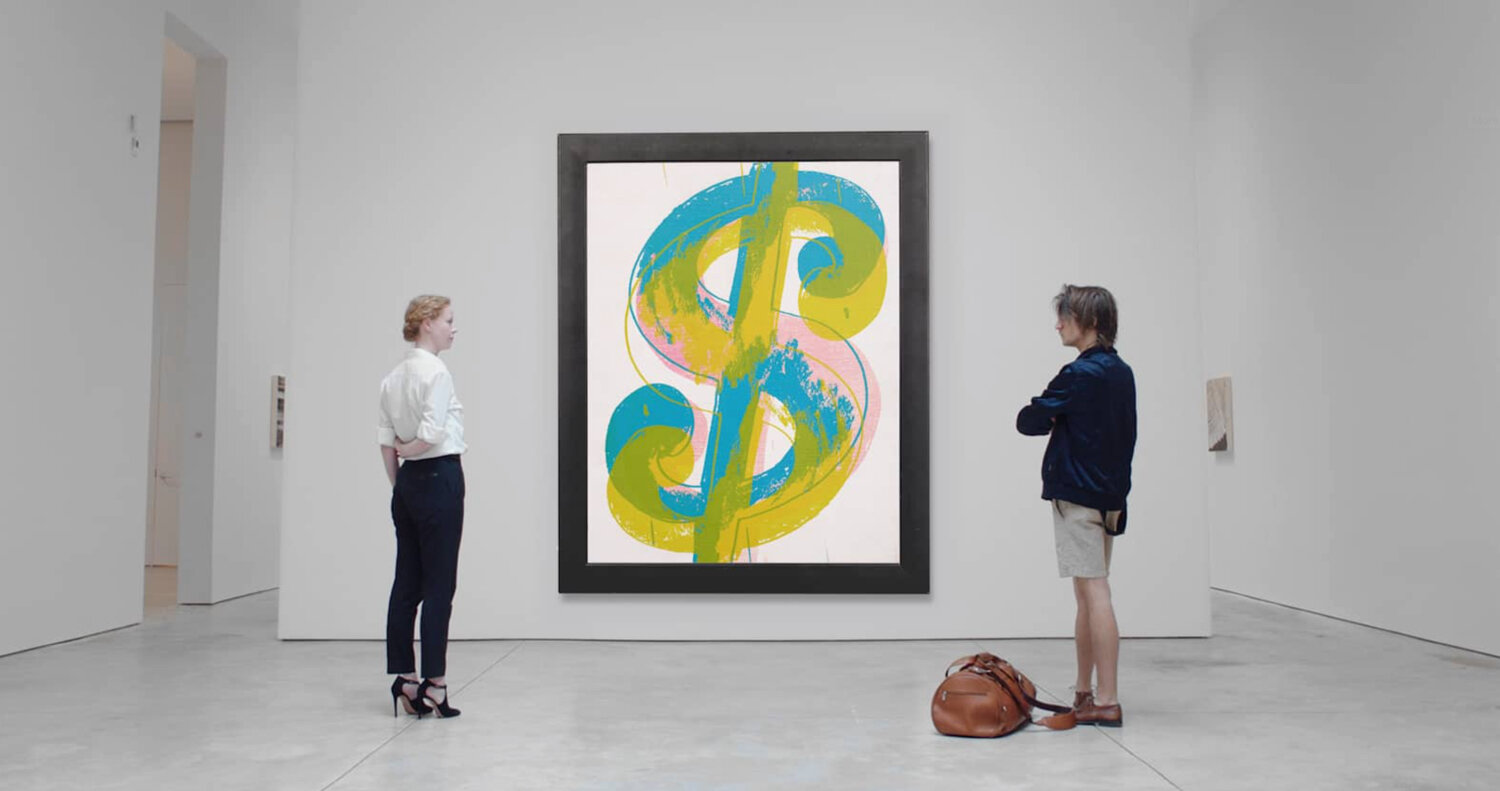
Art fairs have become cultural phenomena that attract both art lovers and collectors. They are carefully curated events that showcase a variety of galleries and artists. Fairs are a meeting point that breaks down geographical boundaries by bringing together a diverse offering of works in the same space.
Regarding the sales model, fairs function as showcases where galleries exhibit artists’ works to be sold directly to collectors, institutions, or private buyers. The price is usually negotiated privately between the buyer and the gallery owner, and it is not common for works to be exhibited openly. In turn, the participating galleries must have a certain prestige and, based on this, are selected by the fair’s committee.
For collectors, fairs are an excellent opportunity to discover emerging talent, where galleries create a sense of exclusivity for those looking to invest in the “next big star”. Fairs are a key space for spotting trends and promoting new artists. They help position emerging artists and establish relationships between galleries and institutions.
The social aspect of fairs is fundamental. Networking with artists, curators, and other collectors in a dynamic environment is important to their appeal. Art fairs have become great events where networking, exhibitions, and parallel activities, such as talks and presentations, generate a social experience transcending the commercial.

ARCOmadrid

Art Basel Paris
The Excitement of Auctions
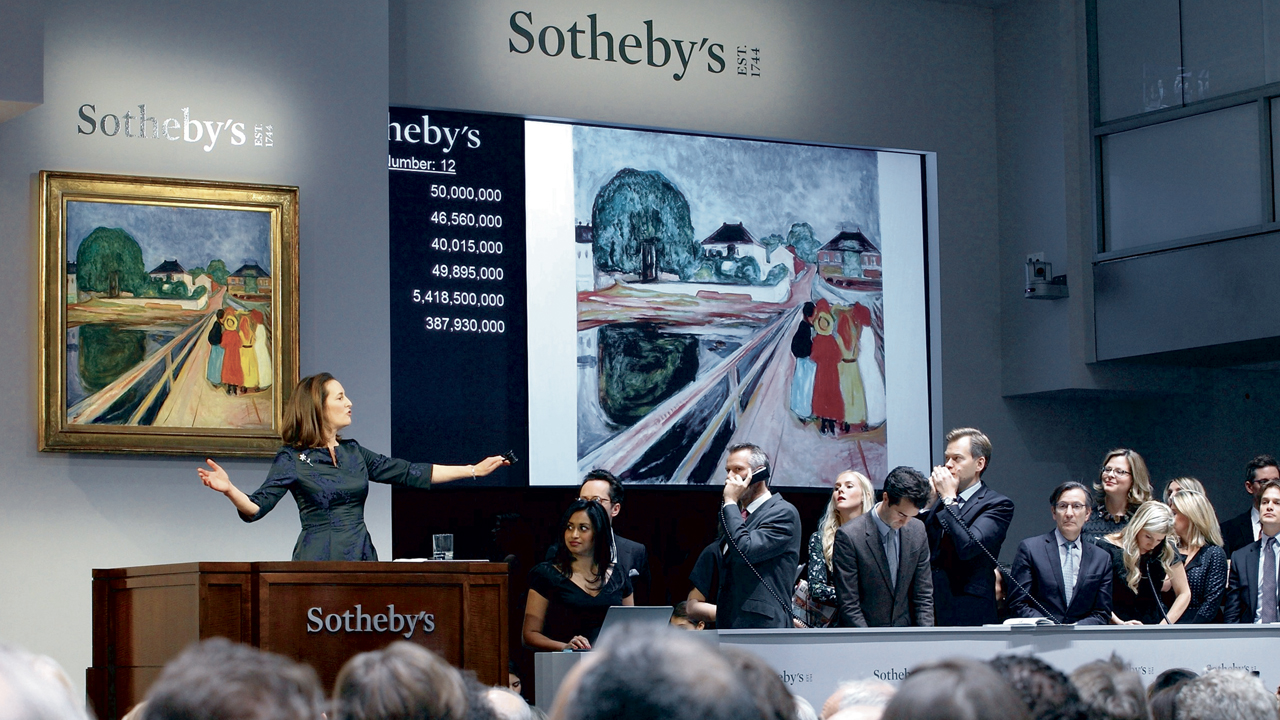
On the other hand, auctions are synonymous with prestige and adrenaline. Renowned houses like Sotheby’s and Christie’s have built their reputation by selling iconic pieces at astonishing prices.
For experienced collectors and investors, auctions offer a level of price transparency. Auctions operate under a public bidding system, where prices are determined by bidder interest, making it easier to understand the market and the investment potential of the work. This, in turn, can generate record sales, such as the works of Pablo Picasso or Jean-Michel Basquiat, which usually reach million-dollar figures, consolidating their place in art history.
Unlike fairs, auctions focus on works by established artists or historical pieces. For this reason, the auctions can seem intimidating and exclusive. The highly competitive atmosphere and the presence of high-profile bidders can deter newcomers. In addition, interaction between participants is limited.
The fundamental function of auctions is to legitimize works of art. They also function as indicators of the market value of works and artists. According to the Art Market Report by Art Basel and UBS, conducted by art economist Clare McAndrew, auctions account for 20% of the market. Auction results often influence market perception, determining whether an artist is “on the rise” or stabilized. Auctions formalize the secondary market, i.e., the resale of a work or piece.
Sotheby’s

Common Ground
Although art fairs and auctions have distinct characteristics, they are increasingly interconnected. Many galleries exhibit works at fairs that subsequently appear at auctions, and auction houses have begun to organize exhibitions that mimic the fair experience. This overlap highlights the growing interdependence of these platforms in a globalized art market.
For collectors, the choice between fairs and auctions often depends on personal preference: are you drawn to the discovery and social hubbub of a fair, or do you prefer the competition and prestige of an auction? Both offer unique ways to interact with the art world and, together, ensure its continued dynamism.
Whatever your choice, one thing is certain: the art market thrives on the diversity and innovation that these platforms bring. Whether you’re looking for a hidden gem or bidding on a masterpiece, there’s a place for everyone in the vibrant tapestry of the art world.
