
5 Trends in the 2025 Art Market
The art market in 2025 is undergoing significant shifts, driven by technological innovation, evolving collector demographics, and a globalized appreciation for diverse artistic voices. Whether you’re a seasoned collector, a gallery owner, or someone exploring the market for the first time, understanding these trends is key to navigating the art world in 2025. Let’s take a closer look at the movements shaping this dynamic industry.
The Continued Rise of Digital Art and NFTs
Digital platforms continue to shape the market. According to Clare McAndrew, author of the Art Basel and UBS Art Market Report, institutions, and galleries are increasingly using NFTs for provenance and ownership verification rather than speculative sales, making up about 16% of total art sales. As gallery owner Lisa Schiff explained at a recent panel,
“Collectors today are more interested in the utility of blockchain rather than the hype, focusing on its ability to solve issues of transparency in the market.”
However, traditional fairs and auctions have not been sidelined. These events are now leveraging virtual previews and immersive online content to complement physical showcases. Art Basel Miami Beach 2024 is an example of this.

Sustainability in the Art World
Sustainability has become a key concern, particularly for younger collectors. Many galleries and fairs are emphasizing eco-friendly practices, from reducing travel footprints to adopting green shipping methods. At a recent panel, collectors underscored the importance of aligning their acquisitions with values such as environmental responsibility.
Regional Market Growth
Collectors and galleries are focusing on regions like Southeast Asia, Africa, and Latin America, where innovative and culturally rich artistic practices are flourishing. At the 2024 Dallas Art Fair, Kelly Cornell, the fair director, commented on the growing presence of international exhibitors:
“We have galleries coming from cities like Bogotá and Seoul, which reflects the global nature of the art market today.”
The inclusion of new voices not only enriches the market but also broadens its appeal to younger, globally-minded collectors.
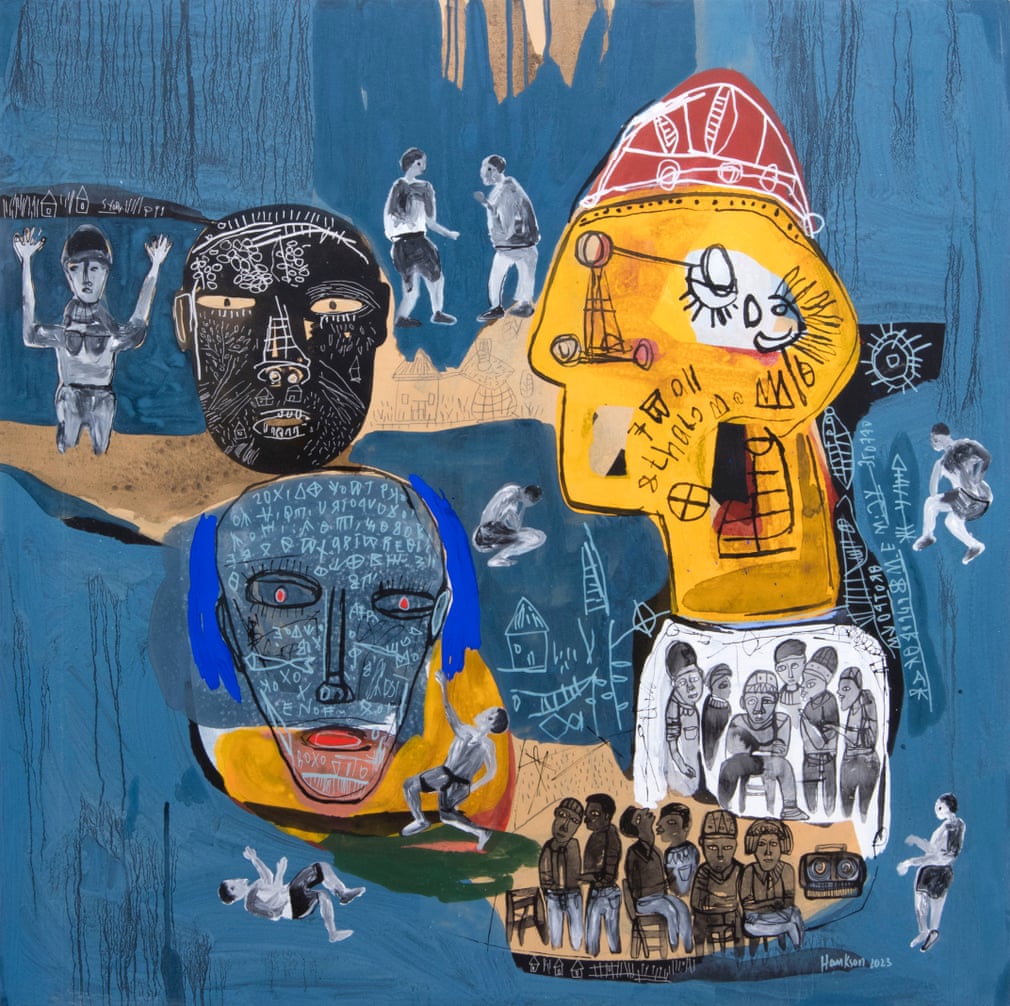
Hako Hankson, Hidden Codes (2023), Acrylic and Indian Ink on canvas, 139 × 139 cm. Courtesy of Primo Marella Gallery & the artist.
Millennials and Gen Z Reshape Collecting
The new wave of collectors is shaking up traditional norms. Younger buyers prioritize accessibility and diversity, often discovering artists through social media platforms like Instagram and TikTok. These collectors value works that align with their personal and social ideals. For instance, works addressing issues like climate change, identity, and social justice are particularly appealing to this demographic. Gallerist Maria Brito noted,
“Younger collectors are drawn to storytelling. They want to connect with the artist’s journey as much as the artwork itself.”
AI and Technology in Artistic Creation
AI continues to redefine the boundaries of creativity. From assisting in large-scale installations to generating unique, algorithm-driven artworks, artists are embracing technology as a tool rather than a threat. This trend is complemented by galleries incorporating VR and AR to enhance exhibitions, making art more accessible and engaging to a broader audience.
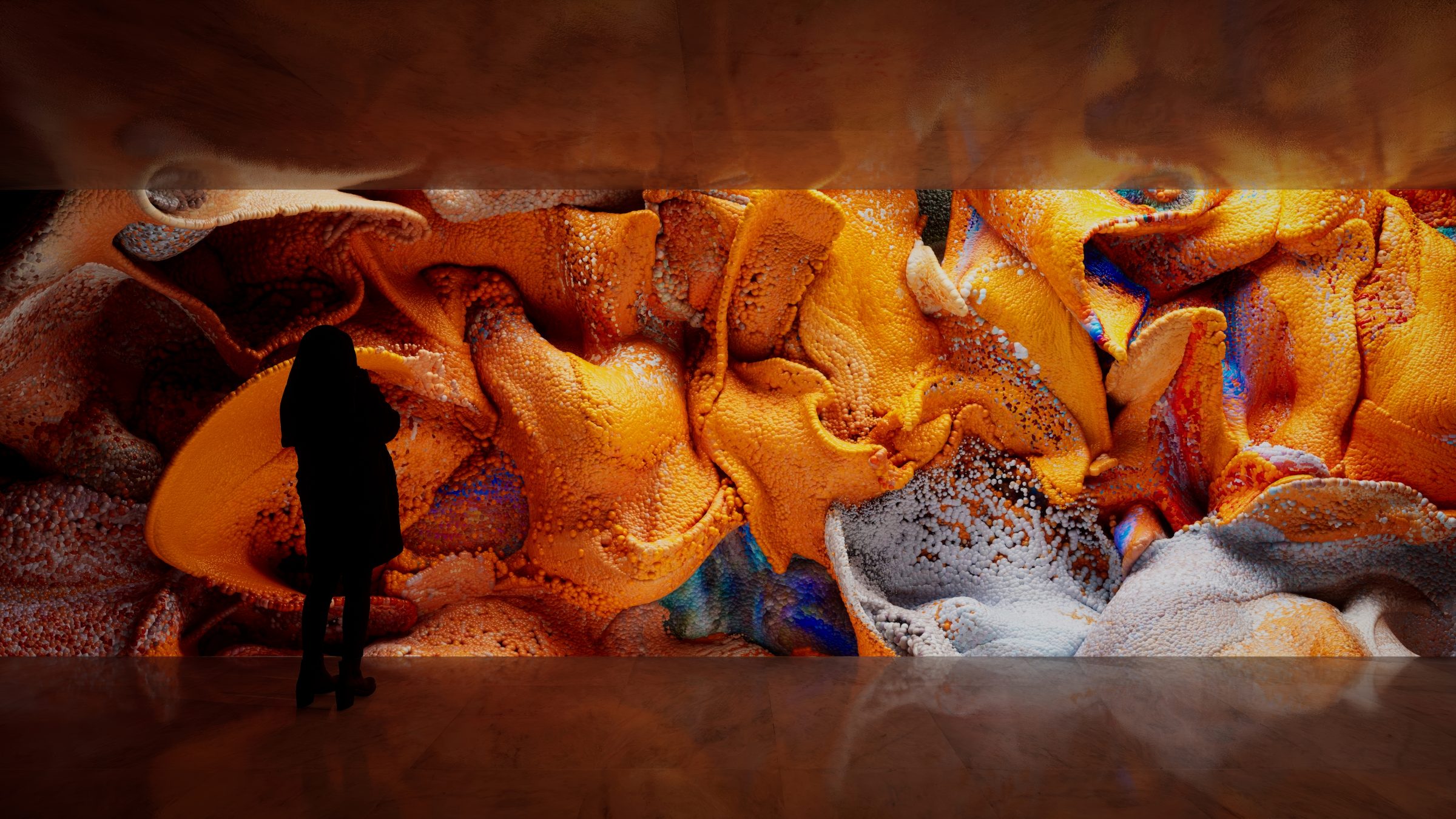
Refik Anadol, Large Nature Model: Coral (2024). Installation
Conclusion
The art market in 2025 is one of balance—between digital and physical, local and global, tradition and innovation. Despite these advancements, challenges persist. Geopolitical instability and economic pressures weigh heavily on the market. Yet, resilience defines the industry, with players finding innovative ways to adapt.
It will be vitally important for galleries and other institutions to adopt new strategies to expand their ways of generating income beyond the simple sale of works of art. As well as turning to educational programs. As we continue through the year, one thing is certain: the art world remains as dynamic and unpredictable as ever.
